
For restaurants, caterers and Ramadan sellers
Go into Ramadan knowing what the budget is for.
A plan built on your own records: money aimed at what's actually holding results back, a promise your team can keep at peak, and a season that leaves you better set up for the next one.
The first conversation is free and takes 30 minutes. Sometimes the answer is to change nothing.
Before you commit the budget
The pressure you're under
Competitors are announcing offers. Proposals are arriving for ads, creators and content calendars. Each can make sense, and there's a budget to commit before anyone has checked what last Ramadan's records say. The risk isn't doing nothing. It's spending well on the wrong thing and finding out in the second week of Ramadan.
Read the Ramadan series
What a well-run Ramadan looks like
Before Ramadan 1 / 3
Before Ramadan: you know where the money goes. You've separated what you need Ramadan to change from what you've been offered. You know whether the gap is reach, the reason people choose you, the step where they book or what an order leaves you, and part of the budget waits until the first test answers.
Explore this part of your plan in these articles.
Scroll to continue 1 of 3
Five questions for your plan
Start with your own records
What do you most need this Ramadan to change?
Where is most of the budget going, and what does that plan assume?
How long did people wait for a confirmed booking or order in last Ramadan's busiest week?
Who can stop taking bookings or orders when you reach your limit?
What did an average Ramadan order leave you after discounts, fees and ad cost?
If an answer surprises you, that's usually the place to look first. If you'd like a second pair of eyes on it, talk it through with us.
Your Ramadan Decision Report
Know what needs fixing before you pay to fix it.
The diagnosis 1 / 8
Three decisions before you spend
This isn't a marketing audit. A marketing audit grades the campaign. The diagnosis asks whether the campaign is aimed at the right problem, using your records and what your customers actually go through.
- What's actually holding your Ramadan results back?
- What should you change before spending more?
- What should you leave alone?
Scroll to continue 1 of 8
From first conversation to follow-up
How it works
Before you book 1 / 8
First conversation
A free 30-minute call to hear what you're planning and check the diagnosis is worth doing. If it isn't, we'll say so.
Scroll to continue 1 of 8
The thinking behind the diagnosis
Why this finds what campaign reports miss
A campaign report shows where results became visible: reach, clicks, cost per lead. It doesn't show why. We look at three things together. What the business has decided, like who can stop taking bookings. What it actually does at peak, like how long people wait for a confirmed table. And what customers see and are told, like the booking page and the promotion. When the promotion promises effortless family gatherings and the floor can't seat the groups, more ads won't fix it. Changing who can say no might.
We call this TRIOD: Internal, Behavior and Interface.
Read how Ramadan can reveal gaps between what a business decides, does and promises.
Price, credit and timing
Fee and dates
Includes the discovery session, records review, customer walkthrough, Ramadan Decision Report, findings session, clarifications and the first-week Ramadan check-in. Paid upfront.
The price is RM4,500, credited toward an implementation project if you need us to handle it, agreed within 30 days of your report.
Last start date this season: 15 December 2026.
Your report arrives within five working days of receiving the agreed records. Dates are set when you book.

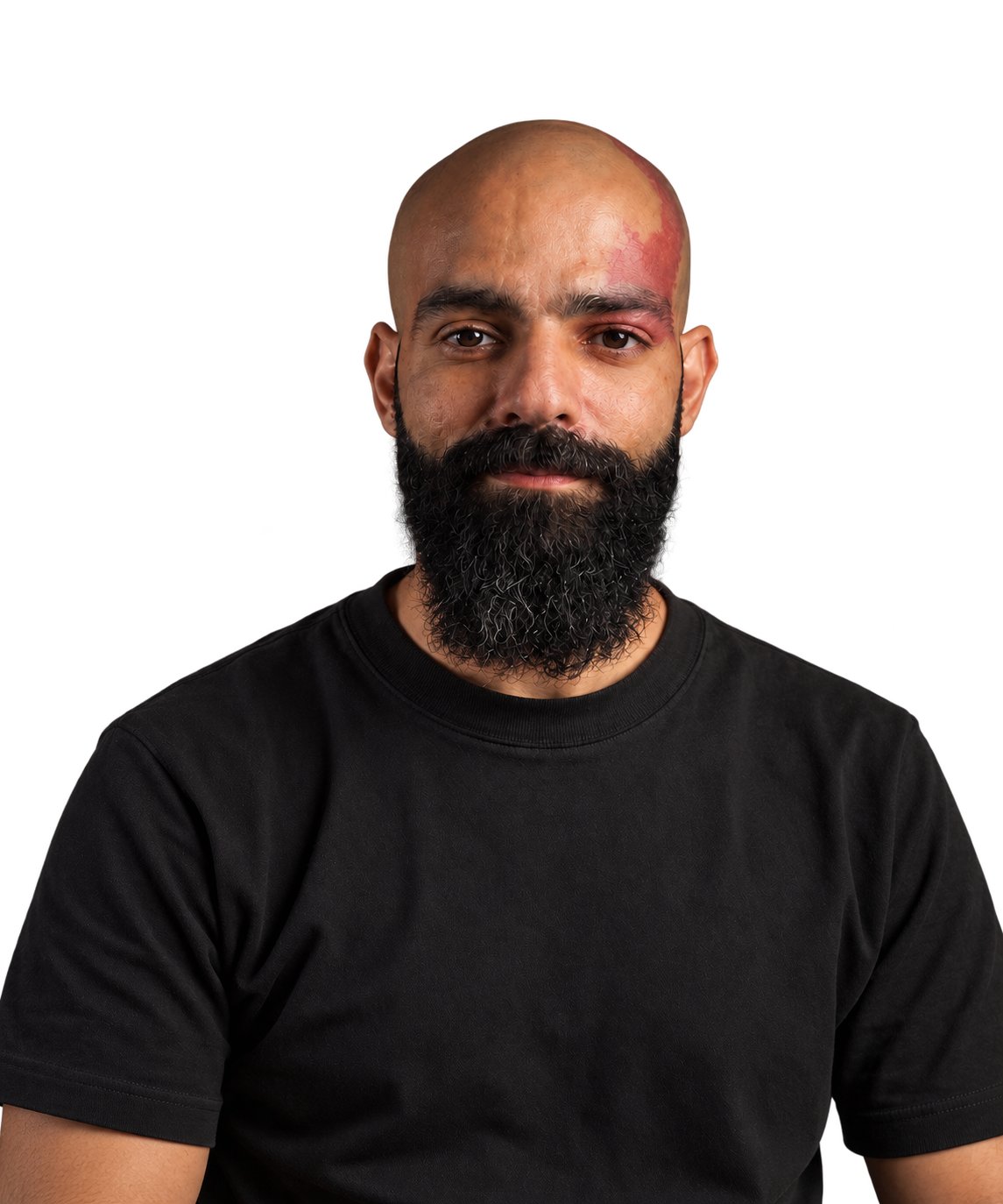

Who you’d be working with
Imam Alwary
Founder, TRIOD
I’ve spent two decades on brand strategy and on making sure what a business says, does and shows its customers point the same way.
I founded TRIOD after watching businesses commission a rebrand, a website or more advertising before anyone had established what was causing the problem. One restaurant asked me for more digital marketing. The real gaps were scattered information, weak discovery and a customer journey that wasn’t earning trust.
When you work with TRIOD, you work directly with me. I lead the diagnosis and stay responsible for the recommendations.
Your questions answered
Questions owners ask
How much does it cost?
RM4,500, fixed. It covers the discovery session, the records review and customer walkthrough, the report, the findings session, clarifications and the first-week Ramadan check-in. Implementation is quoted separately.
How long does it take?
Five working days from receiving the agreed records. The last start date this season is 15 December 2026, so there's time to act before Ramadan.
Is this a marketing audit?
No. An audit grades the campaign. The diagnosis checks whether the campaign is aimed at the right problem.
Are you an agency that will then sell us the campaign?
The report stands on its own. You can act on it yourself, with your current suppliers or with us.
What if our plan is already sound?
We'll tell you, ideally in the free first conversation, before you've paid anything.
What if we don't have complete records?
We work with what's available. Where the evidence isn't enough, the report says what's missing and what to test before spending more.
How does the credit work?
If you hire us to implement the changes, the full RM4,500 is credited toward an implementation project if you need us to handle it, agreed within 30 days of your report.
We sell dates and hampers, not meals. Does this apply?
Yes. The review looks at stock, dispatch and order cut-offs before Raya instead of tables and sittings.
Is my data kept private?
Your records are handled privately for the diagnosis and related engagement. See our privacy notice for contact handling, retention and your choices. Read the privacy notice.
Speak with TRIOD
Before the calendar fills.
Changes to a plan need time to make before the first iftar, which is why the last start date for a diagnosis is 15 December 2026. The first conversation is free and takes 30 minutes.